

How To Contact Animal Control in Huntsville, Alabama
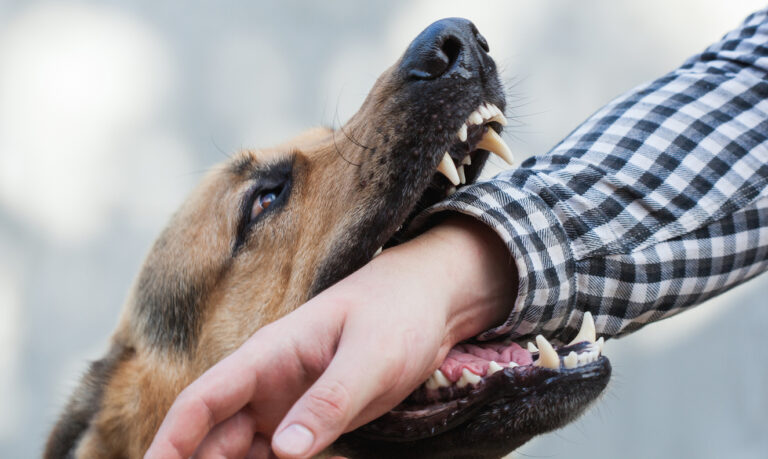
Knowing how to contact animal control in Huntsville, Alabama, can be important when dealing with stray animals, dangerous pets, injured animals, or possible animal attacks. Animal control officers help protect the public by responding to animal-related concerns and enforcing local animal regulations.
If an animal creates a safety risk or causes an injury, reporting the situation quickly can help protect others and create an official record of what happened.
What Does Animal Control Do in Huntsville?
Animal control agencies respond to a variety of animal-related issues in the community. Their responsibilities extend beyond picking up stray animals and often include investigating complaints, enforcing local animal ordinances, and helping protect both residents and animals.
Animal control may help with:
- Stray or abandoned animals
- Aggressive animals
- Animal bites
- Injured animals
- Lost pets
- Animal welfare concerns
- Animals creating a public safety hazard
Their role is to address animal-related problems and help keep residents safe.
How Do I Contact Animal Control in Huntsville?
Residents can contact local animal control services when they need assistance with an animal-related concern. For emergencies involving an immediate threat to safety, residents should contact local emergency services.
For non-emergency animal concerns, residents may contact:
- Huntsville Animal Services
- Local animal control authorities
- City resources that handle animal complaints
Providing details about the animal, location, behavior, and any injuries can help responders understand the situation.
When Should You Call Animal Control?
Not every encounter with an animal requires intervention, but some situations should be reported to protect public safety or the animal’s well-being. Reporting problems promptly may also help prevent future incidents or injuries.
You may want to contact animal control if:
- A dog or other animal is acting aggressively
- An animal has bitten someone
- A stray animal appears sick or injured
- An animal is repeatedly causing problems in the neighborhood
- A pet appears neglected or abused
- A dangerous animal is creating a public risk
Reporting concerns can help prevent future incidents.
What Information Should You Provide?
Providing accurate and detailed information can help animal control officers assess the situation and respond more effectively. The more information you can provide, the easier it may be for responders to locate the animal and determine the appropriate course of action.
Useful information may include:
- The animal’s location
- The type of animal involved
- A description of the animal
- The animal’s behavior
- Whether anyone was injured
- Contact information for witnesses
- Photos or videos, if available
These details may also become important if an injury claim is later filed.
What Should You Do After a Dog Bite or Animal Attack?
An animal attack can be frightening, and taking the right steps afterward can help protect both your health and your legal rights. Seeking prompt medical attention and documenting the incident may also prove important if you later pursue an injury claim.
Animal bites can cause serious physical injuries and may require medical treatment.
After an animal attack, you should consider:
- Moving to a safe location
- Seeking medical care
- Reporting the incident
- Taking photos of injuries
- Identifying the animal owner, if possible
- Keeping medical records and expenses
A report from animal control may provide important documentation about the incident.
Alabama Dog Bite Laws
Animal attack claims may involve Alabama’s specific laws regarding dog bites and other animal-related injuries.
Alabama does not impose universal strict liability for all dog bites, and liability may depend on factors such as whether the animal was known to be dangerous, whether the owner failed to use reasonable care, and where the attack occurred. Certain claims may involve Alabama’s dog bite statutes, including laws addressing dangerous dogs and owner responsibilities.
Because liability often depends on the circumstances surrounding the attack, preserving evidence, obtaining medical records, documenting injuries, and identifying witnesses as soon as possible can be important to building a personal injury claim.
Contact Belt, Bruner & Barnett Personal Injury Lawyers To Schedule a Free Consultation With a Huntsville Personal Injury Attorney
Knowing how to contact animal control in Huntsville, Alabama, can help residents respond to dangerous animals, stray pets, and animal attacks. Reporting an incident can protect the community and create records that may be useful if someone is injured.
Contact an experienced personal injury lawyer at Belt, Bruner & Barnett Personal Injury Lawyers to schedule a free initial consultation today.
We serve Shelby County, Madison County, Montgomery County in Alabama, and its surrounding areas. We are located in Birmingham, Huntsville & Montgomery.
Belt, Bruner & Barnett Personal Injury Lawyers – Birmingham Office
880 Montclair Road, Ste 300,
Birmingham, AL 35213
(205) 973-6417

Belt, Bruner & Barnett Personal Injury Lawyers – Huntsville Office
116 Jefferson St. Suite 207
Huntsville, AL, 35801
(256) 781-9242
Or find us with our GeoCoordinates: 34.73159361945047, -86.58690898412395
Belt, Bruner & Barnett Personal Injury Lawyers – Montgomery Office
7 Clayton St, Suite 200,
Montgomery, AL 36104
(334) 518-6098
Or find us with our GeoCoordinates: 32.373594220209505, -86.3092041262694