

The Dangers of Working on an Oil Rig
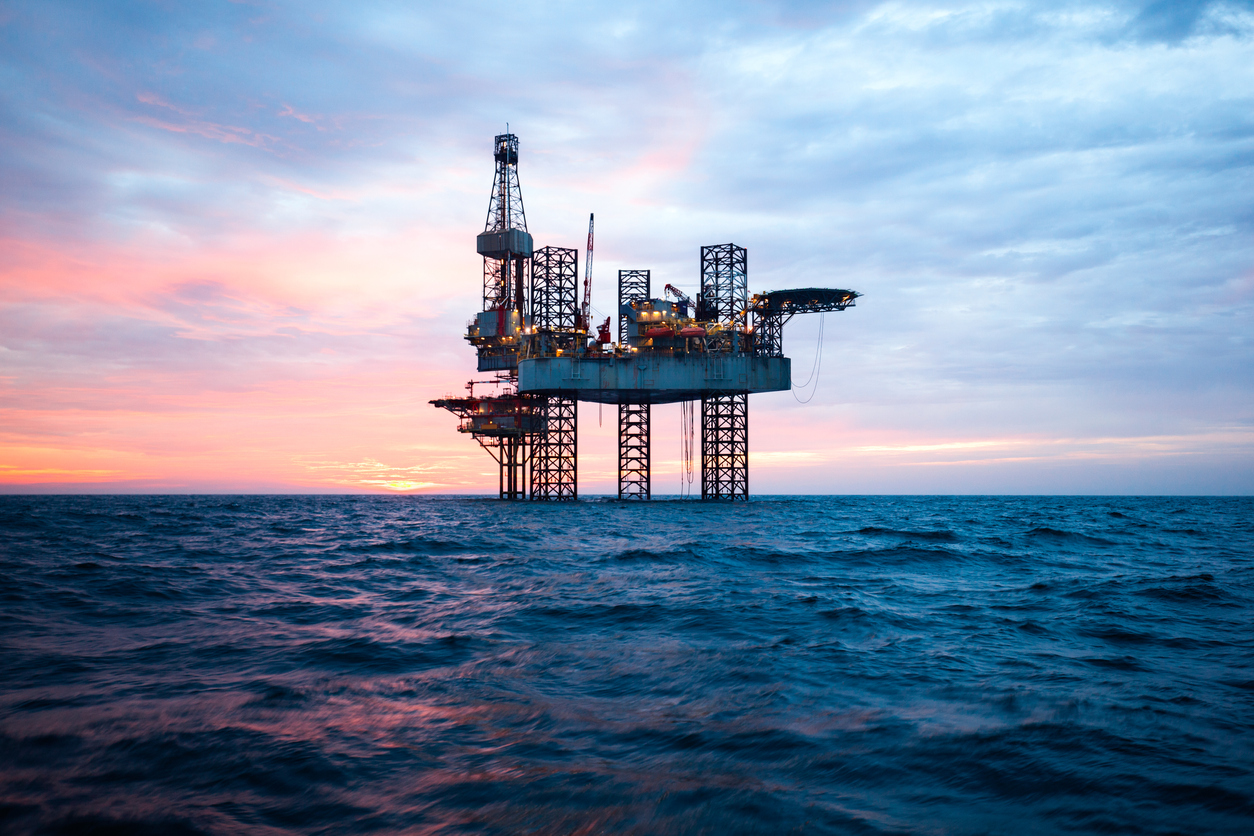
Oil rigs are among the most dangerous workplaces in the world. Whether offshore in the middle of the ocean or on land in remote locations, oil rigs expose workers to extreme conditions, heavy machinery, and high-risk tasks every single day. While these jobs are critical to the global energy supply and often pay well, the dangers involved are significant—and sometimes deadly.
Understanding the risks oil rig workers face highlights the importance of strict safety standards, proper training, and legal accountability when accidents occur.
Extreme Working Conditions
Oil rig workers often endure long shifts, sometimes lasting 12 hours or more, for weeks at a time. Fatigue is a major concern, especially when combined with physically demanding labor. Offshore rigs expose workers to harsh weather conditions, including high winds, heavy rain, intense heat, and freezing temperatures. Rough seas can make platforms unstable, increasing the risk of slips, falls, and serious injuries.
Working while exhausted or in poor weather significantly raises the likelihood of mistakes—mistakes that can have catastrophic consequences on a rig.
Heavy Machinery and Equipment Hazards
Oil rigs rely on massive, powerful equipment, including cranes, drilling machinery, pumps, and pressurized systems. While essential to operations, this machinery poses serious risks if it malfunctions or is improperly handled.
Common equipment-related dangers include:
- Crushing injuries from moving machinery
- Entanglement in rotating equipment
- Burns from hot surfaces or steam
- Explosions caused by equipment failure or pressure buildup
Even a small mechanical failure can trigger a chain reaction, putting dozens of workers in immediate danger.
Fires and Explosions
One of the most well-known dangers of oil rig work is the risk of fire and explosion. Oil rigs handle highly flammable materials, including crude oil and natural gas. A single spark, leak, or pressure imbalance can lead to devastating explosions.
Historic disasters like the Deepwater Horizon explosion illustrate how quickly conditions can turn deadly. Fires on oil rigs are especially dangerous because workers are often far from emergency services, and evacuation can be extremely difficult—particularly offshore.
Exposure to Toxic Chemicals
Oil rig workers are frequently exposed to hazardous substances such as drilling fluids, hydrogen sulfide gas, solvents, and other toxic chemicals.
Prolonged or intense exposure can lead to serious health problems, including:
- Respiratory illnesses
- Chemical burns
- Neurological damage
- Increased cancer risk
Hydrogen sulfide gas, in particular, is extremely dangerous. It can cause rapid unconsciousness or death at high concentrations, often with little warning.
Falls From Heights
Oil rigs involve multi-level platforms, ladders, and scaffolding, often located high above the ocean or ground. Falls are a leading cause of serious injury and death in the oil and gas industry.
A fall from even a moderate height can result in traumatic brain injuries, spinal cord damage, broken bones, or fatalities. Wet surfaces, poor lighting, missing guardrails, and inadequate fall protection all increase the risk.
Transportation and Remote Location Risks
Getting to and from oil rigs can be dangerous on its own. Offshore workers often rely on helicopters or boats to reach platforms, and transportation accidents are not uncommon. Remote onshore rigs may be located far from hospitals, meaning delays in emergency medical treatment can worsen injuries that might otherwise be survivable.
Isolation also means fewer immediate resources during emergencies, placing even greater importance on preventive safety measures.
The Importance of Safety and Accountability
Oil rig companies are legally required to follow strict safety regulations designed to protect workers. These include proper training, equipment maintenance, hazard communication, and emergency preparedness. Unfortunately, safety shortcuts, cost-cutting, or inadequate oversight can put lives at risk.
When oil rig accidents occur due to negligence, defective equipment, or safety violations, injured workers and their families may have legal rights. Holding responsible parties accountable not only helps victims recover compensation—it also encourages safer practices industry-wide.
Contact Belt, Bruner & Barnett Personal Injury Lawyers for a Free Consultation With a Birmingham Personal Injury Lawyer
Working on an oil rig is not just physically demanding—it’s inherently dangerous. From explosive materials and toxic chemical exposure to extreme weather conditions and heavy machinery, oil rig workers face risks that few other professions encounter on a daily basis. When safety protocols are ignored or equipment fails, the consequences can be life-altering.If you or a loved one has been hurt in an oil rig accident, you deserve answers, accountability, and fair compensation.
The experienced Birmingham personal injury lawyers at Belt, Bruner & Barnett Personal Injury Lawyers are here to help. Contact an experienced personal injury lawyer at Belt, Bruner & Barnett Personal Injury Lawyers to schedule a free initial consultation today.
We serve Shelby County, Madison County, Montgomery County in Alabama, and its surrounding areas. We are located in Birmingham, Huntsville & Montgomery.
Belt, Bruner & Barnett Personal Injury Lawyers – Birmingham Office
880 Montclair Road, Ste 300,
Birmingham, AL 35213
(205) 973-6417

Belt, Bruner & Barnett Personal Injury Lawyers – Huntsville Office
116 Jefferson St. Suite 207
Huntsville, AL, 35801
(256) 781-9242
Or find us with our GeoCoordinates: 34.73159361945047, -86.58690898412395
Belt, Bruner & Barnett Personal Injury Lawyers – Montgomery Office
7 Clayton St, Suite 200,
Montgomery, AL 36104
(334) 518-6098
Or find us with our GeoCoordinates: 32.373594220209505, -86.3092041262694